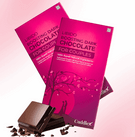
Benefits of Dark Chocolate

Dark chocolate has earned a special place among chocolate lovers for its rich taste, refined character, and premium appeal. Unlike sweeter chocolate varieties, dark chocolate is appreciated for its higher cocoa content and balanced flavor profile. Over time, it has become popular not only for everyday enjoyment but also for gifting and special occasions.
This article explores the general benefits of dark chocolate from a taste, experience, and lifestyle perspective, without making health or performance-related claims.
What Makes Dark Chocolate Different?
Dark chocolate is made with a higher proportion of cocoa solids and typically contains less sugar than milk chocolate. This gives it a deeper cocoa flavor, firmer texture, and more intense taste experience.
Because of this composition, dark chocolate is often associated with:
- A less sweet flavor profile
- A smoother, more refined finish
- A premium chocolate identity
These characteristics make dark chocolate a preferred choice for those who enjoy subtle and balanced flavors.
Rich and Refined Cocoa Taste
One of the main benefits of dark chocolate is its distinctive taste. The higher cocoa content allows the natural flavors of cocoa to stand out. Depending on the cocoa source and preparation, dark chocolate can offer a variety of taste notes, ranging from mildly bitter to smooth and rounded.
This complexity makes dark chocolate enjoyable for slow and mindful tasting, rather than quick consumption.
Enjoyed as a Mindful Indulgence
Dark chocolate is often consumed in smaller portions and enjoyed slowly. Many people prefer to savoir its texture and flavor, making it suitable for moments of relaxation and personal enjoyment.
Because of its rich taste, dark chocolate encourages a more mindful approach to indulgence, where quality is valued over quantity.
Premium Appeal and Craftsmanship
Dark chocolate is commonly associated with craftsmanship and attention to detail. From cocoa selection to processing and presentation, premium dark chocolate products focus on consistency, balance, and overall experience.

This emphasis on quality contributes to dark chocolate’s reputation as a refined and thoughtfully made product.
Popular Choice for Gifting
Dark chocolate is widely accepted as a premium gifting option. Its elegant appearance, rich taste, and universal appeal make it suitable for a variety of occasions, including:
- Festivals and holidays
- Anniversaries and celebrations
- Corporate and professional gifting
- Personal milestones
Well-designed packaging further enhances its value as a thoughtful and tasteful gift.
Less Sweet, More Balanced Flavor
Compared to milk chocolate, dark chocolate is generally less sweet. This balanced sweetness appeals to those who prefer chocolates that are not overly sugary.
The reduced sweetness allows the cocoa flavor to remain the highlight, offering a more mature and refined taste experience.
Versatile for Many Occasions
Dark chocolate fits easily into different moments and settings. It can be enjoyed:
- As a personal treat
- During festive celebrations
- As part of gift hampers
- In shared moments with friends or family
Its versatility adds to its lasting popularity across cultures and age groups.
Cultural and Global Acceptance
Cocoa and chocolate have been enjoyed across cultures for centuries. Dark chocolate, in particular, reflects traditional chocolate-making styles that focus on cocoa richness rather than sweetness.
This cultural acceptance contributes to its timeless appeal and continued relevance in modern chocolate offerings.
A Chocolate Experience, Not Just a Sweet
Dark chocolate is often chosen not just for sweetness, but for the overall experience it offers. Texture, aroma, appearance, and taste all play a role in how it is enjoyed.
This makes dark chocolate more than just a dessert—it becomes an experience that can be appreciated slowly and thoughtfully.